

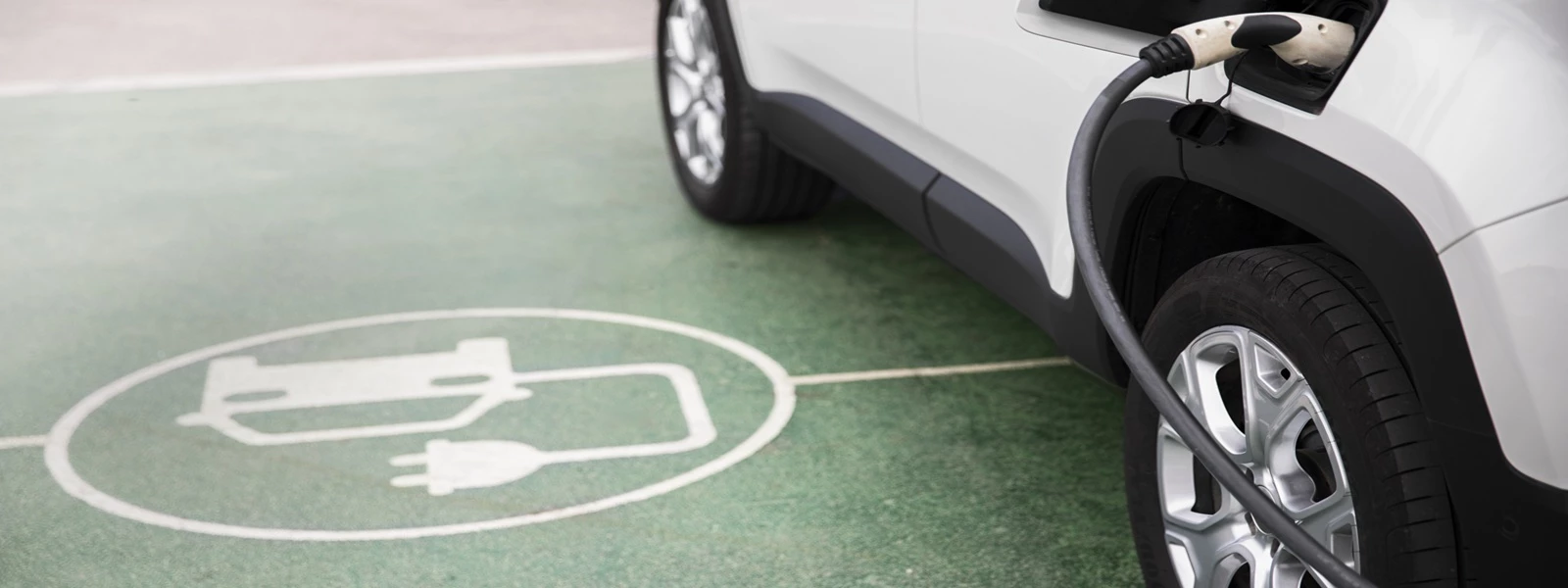
The School Network, a leading advocate for educational excellence and sustainability, calls on UK school leaders to seize the £63 million Electric Vehicle (EV) Infrastructure Grant, announced on 13 July 2025, to install charging stations, implement EV salary sacrifice schemes for staff, and explore revenue-generating opportunities.
With schools perfectly positioned to lead the green revolution, the Procurement Act 2023 creates a £30 million market for suppliers to deliver innovative EV solutions. School leaders are eager to connect with installers to understand the process, making this a time-sensitive opportunity for suppliers and schools to transform campuses into eco-friendly hubs for the 2025/26 academic year.
A Transformative Opportunity for Schools
The £63 million investment, part of the government’s Plan for Change, aims to accelerate EV adoption across the UK. Schools, as community hubs with significant parking capacity, are ideal candidates for the EV Infrastructure Grant for Staff and Fleets, offering up to £15,000 per site (across up to five sites, totaling £75,000 per school) to cover 75% of installation costs for chargepoints. With only 1,400 of the UK’s 24,000+ schools equipped with EV chargers, and school leaders actively seeking installer expertise, the 2025/26 term is a critical moment to act.
“This grant is a golden opportunity,” says a headteacher at a primary school in Birmingham. “We’re open to installer contact to understand how chargers can work for our staff, minibuses, and community, while generating revenue. It’s about sustainability and smarter finances.” Suppliers, particularly SMEs, can tap into a £30 million market for chargepoint installations, leasing partnerships, and maintenance services, enabled by the Procurement Act’s open frameworks.
Why Schools Are a Perfect Fit
Schools are uniquely suited to leverage this funding due to their infrastructure, community role, and openness to supplier collaboration:
- High Parking Demand: Schools with 5 or more parking spaces—many have 10, 20, or 30+—can install chargepoints for staff, visitors, and fleet vehicles, with grants covering up to £850 per active chargepoint and £500 per passive infrastructure space (cabling for future expansion).
- Sustainability Leadership: The DfE’s 2025 Climate Action Plan mandate requires schools to reduce carbon footprints. EV chargers contribute, with schools reporting up to 15% emission reductions post-adoption.
- Staff Benefits: EV salary sacrifice schemes, where staff lease EVs through pre-tax salary deductions, save employees up to 40% on costs. Paired with the Electric Car Grant (up to £3,750 for vehicles under £37,000, launched 16 July 2025), these schemes boost recruitment and retention.
- Revenue Generation: Schools can open chargers to the public after hours, charging 20-30p per kWh to generate £2,000-£5,000 annually per site, offsetting installation costs and supporting budgets.
- Community Impact: Public access chargers support the 40% of households without driveways, positioning schools as green hubs and aligning with the Procurement Act’s social value priorities.
A school business manager at a secondary school in Manchester notes, “We’re keen to meet installers to explore chargers and EV leasing for staff and our minibus fleet. The potential to earn revenue from public charging is a huge draw.”
A £30 Million Market for Suppliers
The grant creates a £30 million market for suppliers, with demand for 10,000+ new chargepoints by 2026. School leaders are highly receptive to installer contact to navigate the process, from site surveys to funding applications. Key opportunities include:
- Chargepoint Installation: Schools need active chargepoints (£850 per socket) and passive infrastructure (£500 per space), with grants covering 75% of costs up to £15,000 per site.
- Smart Charging Solutions: Systems with remote monitoring and load balancing optimize energy use, appealing to schools’ efficiency goals.
- EV Leasing Partnerships: Suppliers offering salary sacrifice schemes can provide staff and fleet access to affordable EVs, including minibuses, tapping into a growing benefits market.
- Maintenance and Revenue Models: Suppliers can offer maintenance contracts and revenue-sharing models for public charging, ensuring long-term partnerships.
- Complementary Green Solutions: Solar panels or battery storage enhance charger efficiency, aligning with decarbonization targets.
Case Study: A primary school in Bristol used the EV Infrastructure Grant in 2024 to install eight chargepoints, saving £12,000 via the grant. By partnering with a installer, they cut costs by 10% and introduced a salary sacrifice scheme, with 15% of staff adopting EVs. Public charging generates £3,000 annually. A secondary school in Leeds installed 12 chargers and electrified its minibus fleet, saving 20% on fuel costs and earning £4,500 yearly from community charging. These successes highlight the demand for supplier expertise.
Why the 2025/26 Term Is Critical
The urgency to act stems from several factors:
- Funding Deadline: The EV Infrastructure Grant closes on 31 March 2026, with funds allocated first-come, first-served. Early applications maximize support.
- Regulatory Pressure: Schools must submit Climate Action Plans by December 2025, with EV infrastructure contributing to carbon reduction targets.
- Staff Recruitment: With teacher shortages impacting 60% of schools in 2024, EV schemes enhance benefits, boosting retention and attraction.
- Market Demand: Only 1,400 schools have chargers, leaving a vast market for suppliers to fill before demand peaks.
- Revenue Potential: Schools opening chargers to the public can generate thousands annually, offsetting costs and supporting budgets.
How Salary Sacrifice and On-Site Charging Work Together
EV salary sacrifice schemes and on-site chargers are a powerful combination:
- Cost Savings for Staff: Employees save up to 40% on EV leasing through pre-tax deductions, plus £1,500 annually by charging at school (2p per mile vs. 15–23p for petrol/diesel).
- Fleet Electrification: Schools can electrify minibuses, saving 20-30% on fuel and maintenance, with the Electric Car Grant reducing upfront costs.
- Retention and Recruitment: Schools offering EV schemes report 10% higher staff satisfaction, critical in a competitive job market.
- Revenue Stream: Public charging at 20-30p per kWh generates £2,000-£5,000 per site annually, with schools reinvesting profits into educational resources.
A headteacher at a primary school in London says, “Our staff love the EV leasing scheme, and public charging is bringing in extra revenue. Installers have been key in helping us understand the process and make it happen.”
Action Plan for Schools and Suppliers
The School Network recommends school leaders act now for the 2025/26 term:
- Assess Eligibility and Needs: Confirm eligibility (state-funded schools or private schools with <250 employees, 5+ parking spaces, <£200,000 in prior public support) and survey staff/fleet EV interest.
- Connect with Installers: Engage OZEV-authorized installers to conduct site surveys and guide funding applications, with school leaders welcoming direct contact.
- Apply for Grants: Submit applications for the EV Infrastructure Grant via the OZEV portal before 31 March 2026.
- Implement Salary Sacrifice Schemes: Partner with EV providers to offer staff and fleet leasing, leveraging the Electric Car Grant.
- Explore Revenue Models: Work with suppliers to enable public charging and revenue-sharing agreements.
- Access Resources: Utilize free guides, supplier directories, and DfE tools at www.theschoolnetwork.org.uk/ev-grant-2025.
Suppliers should proactively reach out, offering tailored solutions and process guidance. “We were surprised by how open schools are to discussing EV chargers,” says a supplier representative in Bristol. “The Procurement Act made bidding straightforward, and we’ve secured contracts with five schools.”
“The 2025/26 term is our chance to lead on sustainability and staff wellbeing,” says a school business manager at a secondary school in Leeds. “We’re eager to work with installers to make chargers and EV schemes a reality, while suppliers can tap a £30 million market.” The School Network urges school leaders to connect with suppliers and secure grants, and invites suppliers to seize this unique opportunity before the 31 March 2026 deadline.

