

Schools across England are being encouraged to take a more structured approach to enrichment following the publication of a new government framework designed to broaden the experiences available to children and young people.
Published by the Department for Education in June 2026, the new Enrichment Framework introduces eight benchmarks that schools and colleges can use to evaluate their existing provision, identify gaps and plan improvements. The framework applies to education settings in England and is supported by self-assessment and action-planning resources.
While enrichment has long formed part of school life, the new framework could have wider implications for how schools think about their estates, outdoor areas and activity spaces.
Five Areas of Enrichment
The government’s approach identifies five broad categories of enrichment: civic engagement; arts and culture; nature, outdoor and adventure; life and future skills, including STEM; and sport and physical activity.
Activities could range from music groups and engineering clubs to debating societies and football. The government’s stated aim is to help schools and colleges create inclusive enrichment offers that reflect the needs of their pupils and local communities.
For school leaders and estates teams, however, there is an important practical question.
Do existing school spaces support the activities pupils are increasingly expected to access?
A school may want to expand outdoor learning, sport, performing arts or STEM activities, but delivering those opportunities consistently can depend on the physical environment available.
Underused courtyards, ageing playgrounds, limited storage, inflexible classrooms and poor access to sheltered outdoor areas can all influence what a school is realistically able to offer.
From Playground to Learning Environment
The inclusion of nature, outdoor and adventure within the framework may encourage more schools to reconsider the role of their external estate.
Traditionally, playgrounds and school grounds have often been viewed primarily as spaces for breaktimes and physical education. Increasingly, schools are looking at how these areas can support outdoor learning, environmental education, social development and wider enrichment.
This could mean creating outdoor classrooms, covered learning areas, sensory gardens, nature zones or more flexible social spaces.
It may also prompt schools to look again at existing areas of their estate that are currently underused.
A courtyard with limited seating could become an outdoor learning zone. An unused section of grounds might support gardening or biodiversity projects. Covered structures could allow activities to continue during less favourable weather.
The new benchmarks do not mandate specific estate investments. However, because schools are encouraged to assess their enrichment offer and identify areas for development, the framework could expose practical gaps between a school’s ambitions and the facilities available to deliver them.
Sport and Physical Activity Remain Central
Sport and physical activity form another of the framework’s five core enrichment categories.
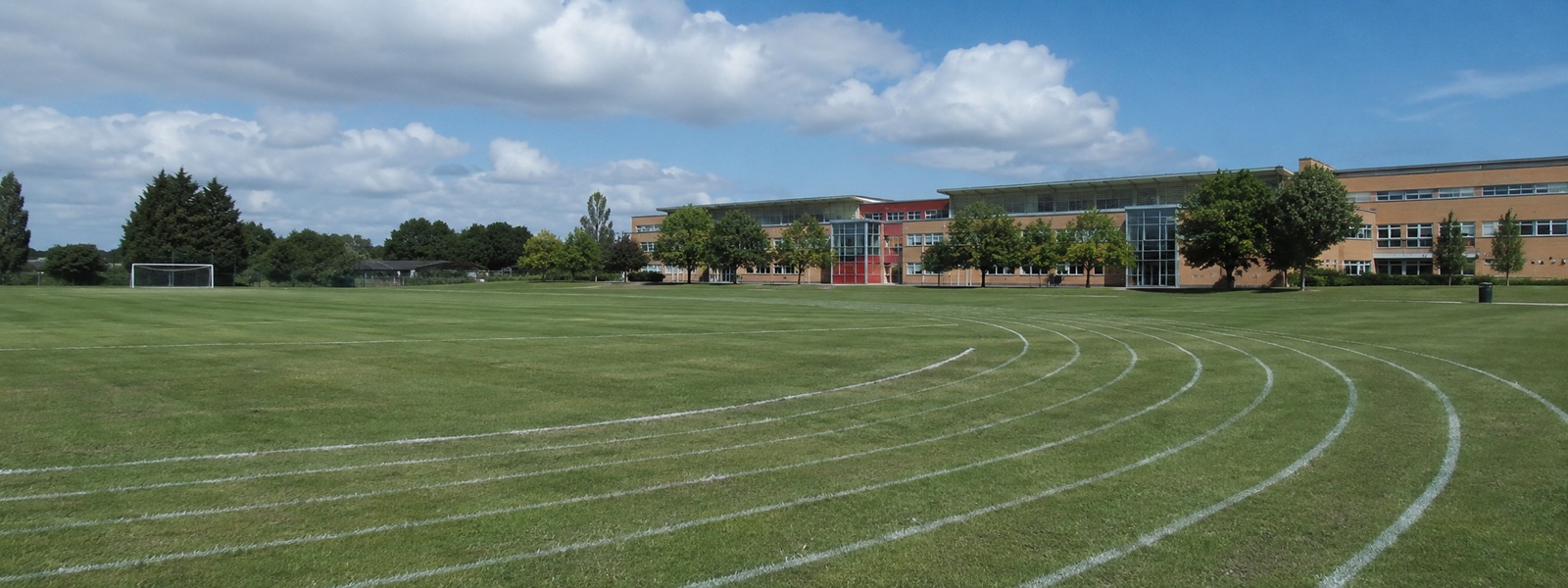
For some schools, this may mean reviewing the condition and flexibility of existing sports facilities.
Multi-use games areas, playground markings, outdoor fitness equipment and adaptable activity zones can potentially allow schools to provide a wider range of activities without requiring large-scale construction projects.
Space will inevitably remain a challenge, particularly for schools on constrained urban sites.
That makes intelligent design increasingly important.
Rather than focusing solely on creating new facilities, schools may need to consider whether existing spaces can perform multiple functions throughout the school day and beyond.
A single area could support physical activity, enrichment clubs and community use if it is designed and equipped appropriately.
£132.5 Million Every Child Can Programme
The wider policy direction is also being supported by the government’s £132.5 million Every Child Can programme, funded through dormant assets, with the aim of increasing disadvantaged young people’s access to enrichment opportunities across arts, culture, sport and wider youth services.
Education Secretary Bridget Phillipson said:
“Every child should be able to enjoy sport and the creative arts, not just the lucky few.”
The government has said the programme is intended to help close the participation gap and expand access to activities both inside and outside school.
For schools, this places greater attention not simply on whether enrichment activities exist, but whether pupils can genuinely access a broad and inclusive range of experiences.
A New Consideration for School Estates Teams
The enrichment framework is non-statutory, but the introduction of defined benchmarks and formal self-assessment tools gives schools a clearer structure against which to review their provision.
That process may increasingly involve estates and facilities teams.
If a school identifies outdoor learning, sport or arts provision as an area for development, the conversation could quickly move from curriculum planning to practical delivery.
Is there sufficient space?
Is it accessible?
Can it be used throughout the year?
Does the school have the right equipment and storage?
Can existing facilities be adapted rather than replaced?
These are procurement and estate management questions as much as educational ones.
Planning Spaces Around Opportunity
The government’s new enrichment benchmarks are unlikely to trigger an immediate wave of major school building projects.
But they could influence the way schools assess smaller capital investments and estate improvements over the coming years.
Playgrounds, outdoor classrooms, sports areas, performance spaces and flexible learning environments may increasingly be viewed as part of a school’s wider enrichment strategy rather than standalone facilities.
For suppliers working with the education sector, the opportunity will be to understand the educational objective behind the investment.
Schools are unlikely to be looking simply for a new playground, shelter or activity area.
They may increasingly be looking for spaces that help them broaden participation, remove barriers and provide pupils with experiences that extend beyond the traditional classroom.
And as schools begin assessing their current provision against the new benchmarks, the quality and flexibility of the spaces available to pupils could become an increasingly important part of that conversation.

