Tackling the Waste Challenge in Schools
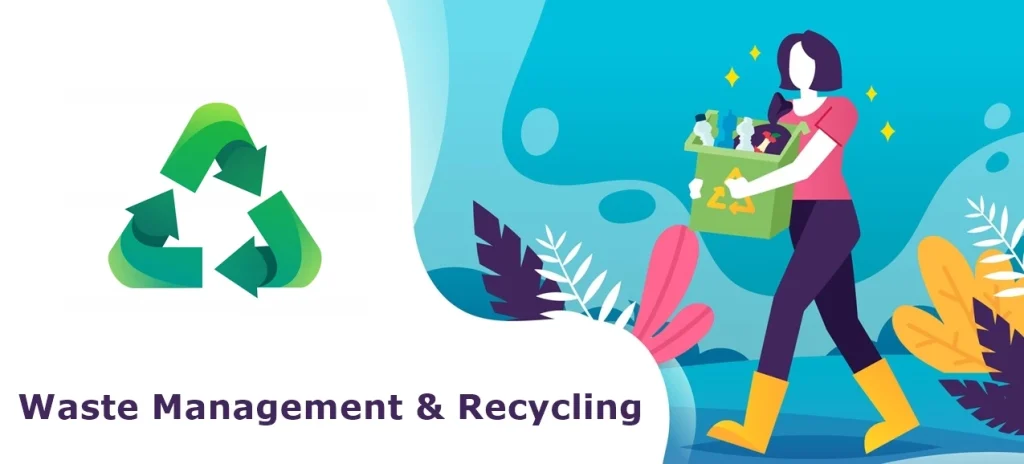
Why Sustainable Solutions Matter
As environmental concerns become more urgent, schools are under increasing pressure to become leaders in sustainability—not just in what they teach, but in how they operate. Waste is one of the most visible and persistent challenges they face, with schools across the UK generating significant volumes of rubbish every year, much of it preventable.
From leftover lunch packaging and discarded classroom materials to broken furniture and end-of-year uniform clear-outs, school waste streams are varied and complex. Yet despite greater awareness, much of this waste still ends up in landfill—contributing not only to environmental damage but also to rising costs for schools already managing tight budgets.
A Snapshot of the Problem
The scale of the issue is sobering. The average UK primary school produces over 45kg of waste per pupil each academic year, with secondary schools producing even more. Items like paper, plastic, and food waste dominate, but electronic waste, furniture, and surplus materials from school refurbishments also add to the total.
While many of these materials could be reduced, reused, or recycled, schools often struggle with inconsistent waste services, lack of proper facilities, and limited knowledge about available alternatives. Add to that the pressure of delivering academic outcomes, and waste management often slips down the priority list.
Why It’s Not Just About Bins
Many schools start their sustainability journey with recycling—but while that’s a step in the right direction, it’s not enough. Without a broader strategy in place, recycling often becomes a sticking plaster for a deeper issue: overconsumption and poor procurement choices.
For example, purchasing individually packaged snacks, disposable learning materials, or low-cost furniture that breaks within a year all contributes to unnecessary waste. The way goods are bought and used in schools can have long-term consequences on both waste output and financial efficiency.
To truly combat waste, schools need a whole-school approach—one that brings together leadership teams, teaching staff, premises managers, students, and suppliers around a shared commitment to sustainability.
Embedding Sustainability into School Culture
Encouragingly, more schools are beginning to see waste not just as a facilities issue, but as an educational opportunity. By embedding sustainability into the school’s culture and ethos, waste management becomes part of a wider values-driven mission.
Student engagement is key. Eco committees, waste monitors, and classroom challenges can give pupils ownership and raise awareness in a hands-on, meaningful way.
Curriculum links can bring the issue to life—whether it’s calculating food waste in maths, exploring ecosystems in science, or designing upcycled art in D&T.
Leadership support is essential. When school leaders champion sustainability, it sends a powerful message that these issues matter.
Choosing the Right Partners
Another crucial factor is working with the right suppliers and service providers. From catering and cleaning to facilities and equipment, schools rely on a wide network of vendors—and these relationships can significantly influence waste outcomes.
Ethical and sustainability-conscious suppliers now offer a wide range of alternatives, including:
- Refillable cleaning products
- Modular, repairable classroom furniture
- Compostable packaging
- Closed-loop waste collection services
- Digital tools to track and reduce waste volumes over time
By embedding sustainability into procurement decisions, schools can reduce waste at the source and work towards a more circular approach to materials.
Small Changes, Big Impact
Even modest shifts in practice can lead to significant results over time. Some examples seen in UK schools include:
- Replacing plastic milk cartons with glass bottles from local dairies
- Running uniform reuse and donation events each term
- Switching to digital newsletters to reduce paper
- Encouraging pack-lunch audits to reduce single-use plastics
- Introducing food composting in school kitchens and gardens
Schools don’t need to overhaul everything overnight—but by building momentum through small, practical changes, they can create lasting impact.
Where to Start
If your school is looking to address its waste challenges, here are some practical first steps:
- Conduct a waste audit – Understand what’s being thrown away, and where quick wins might lie.
- Review procurement processes – Choose products and suppliers with sustainability credentials.
- Engage your whole school community – From the caretakers to the canteen staff, everyone plays a role.
- Use external support – Organisations specialising in ethical waste management and sustainable procurement can offer expert guidance, resources, and tailored solutions.
Turning Waste into a Learning Opportunity
Tackling waste in schools isn’t just about meeting environmental targets—it’s a chance to lead by example, strengthen community values, and empower young people to think critically about their role in shaping a more sustainable future.
By taking a proactive, collaborative approach, schools can reduce their environmental impact while also improving efficiency, reducing costs, and enriching the learning experience.